Where Is Everybody? Maybe Past a Wall We Can Never Cross
If you’ve spent any time staring up at the night sky, you’ve probably had the thought: with billions of galaxies out there, surely something else is alive.

A podcast for sci-fi lovers that span across books, movies, Tv-Shows, or games.
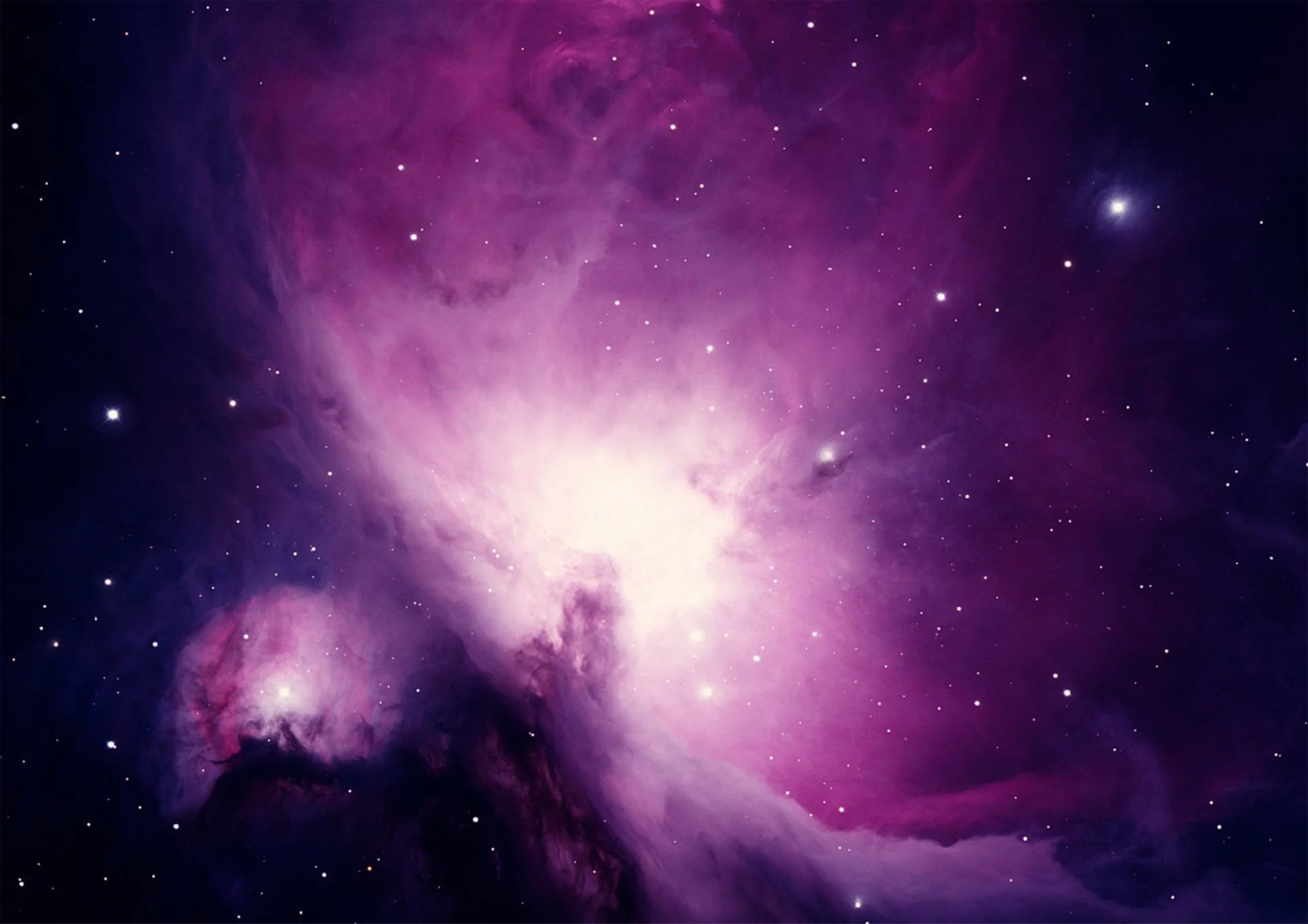
If you’ve spent any time staring up at the night sky, you’ve probably had the thought: with billions of galaxies out there, surely something else is alive.

Time travel. It’s a staple in so many IPs, from Star Trek to Hitchhiker’s Guide to the Galaxy to Dr Who. Love it or hate it – and I know a few sci-fi fans who would die on the ‘time travel sucks’ hill – it shows up time and again (yes, that was a pun).

The paradox of advancing technology juxtaposes human fragility and unchanging nature. While tools like CRISPR and neurotechnology offer transformative power, they challenge our ethical boundaries and personal identity. We must strive to remember our roots and the significance of being human, ensuring we guide our inventions rather than being controlled by them.

From Star Trek to Babylon 5, science fiction imagined computers that needed no keyboards, no screens, and no delays—only a voice, a gesture, or even a mood. Today, with AI and smart systems, that once-distant vision is closer to reality than we think.

What if you stopped your parents from meeting—but still existed? Discover the quantum science behind parallel universes, time travel, and why you never truly vanish.

What if every dimension we perceive is just another level in a grand simulation? Inspired by the 2024 film Levels, this article explores how physics, quantum theory, and science fiction converge on the chilling possibility that our reality may be artificial.

In a world where magic is real, healing magic and science would work together to transform medicine forever. Explore how humanity would study, regulate, and innovate around this extraordinary new force.