
First Contact: Seeing Intelligence Through Alien Eyes
For most of human history, we have imagined the moment another intelligent civilization discovers us.

A podcast for sci-fi lovers that span across books, movies, Tv-Shows, or games.
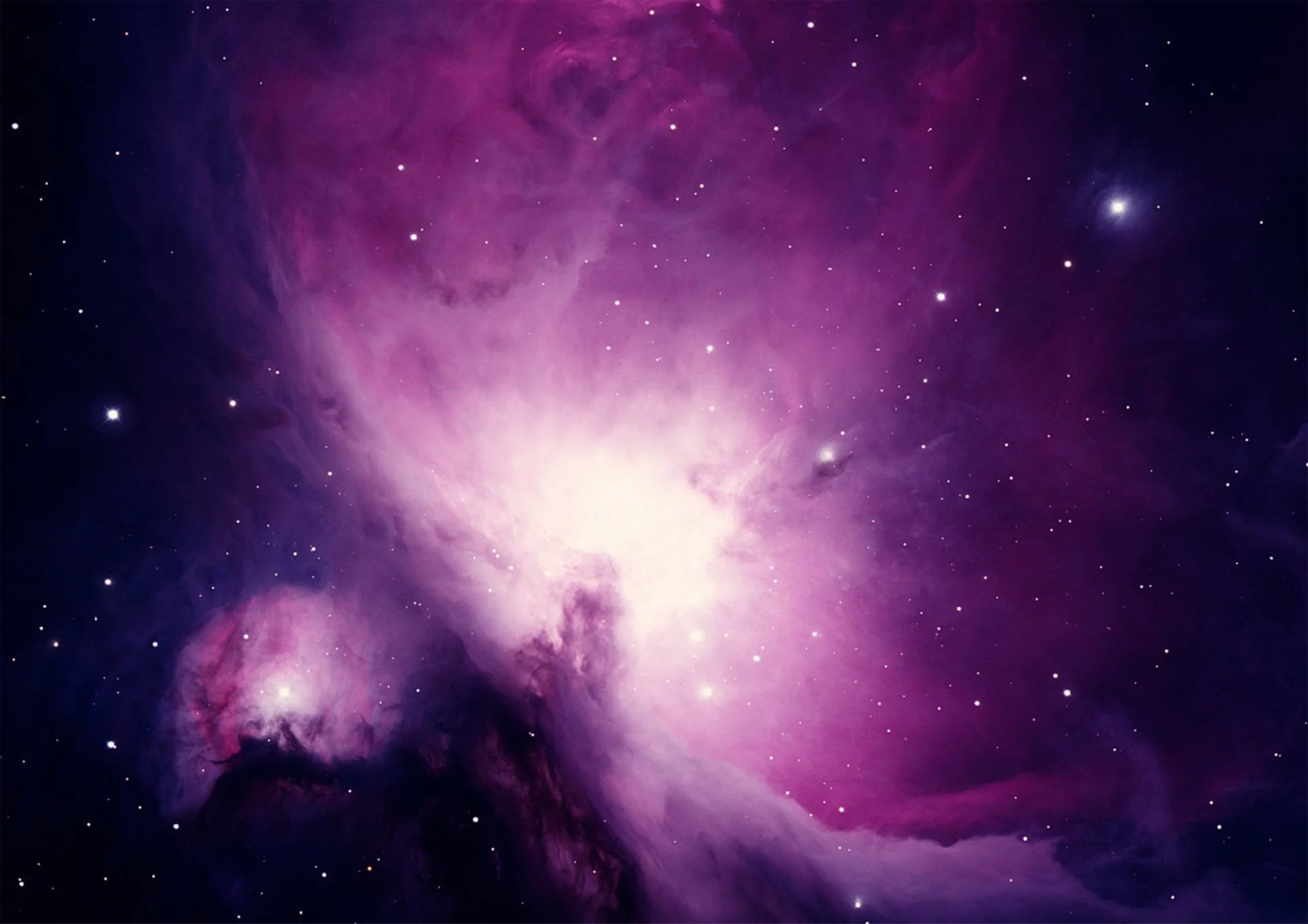
For most of human history, we have imagined the moment another intelligent civilization discovers us.
If you’ve spent any time staring up at the night sky, you’ve probably had the thought: with billions of galaxies out there, surely something else is alive.

Time travel. It’s a staple in so many IPs, from Star Trek to Hitchhiker’s Guide to the Galaxy to Dr Who. Love it or hate it – and I know a few sci-fi fans who would die on the ‘time travel sucks’ hill – it shows up time and again (yes, that was a pun).

The paradox of advancing technology juxtaposes human fragility and unchanging nature. While tools like CRISPR and neurotechnology offer transformative power, they challenge our ethical boundaries and personal identity. We must strive to remember our roots and the significance of being human, ensuring we guide our inventions rather than being controlled by them.

From Star Trek to Babylon 5, science fiction imagined computers that needed no keyboards, no screens, and no delays—only a voice, a gesture, or even a mood. Today, with AI and smart systems, that once-distant vision is closer to reality than we think.

For decades, the idea of parallel universes and multiverse theories has fascinated scientists and science fiction fans alike. Could there be multiple versions of reality branching off with every decision we make?

In a world where science fiction pushes the boundaries of imagination, one small yet powerful movement has emerged to unite the fans, creators, and visionaries of the genre. That movement is called #ThisIsSciFi.

In science fiction, we often see empires of hundreds of worlds with populations of billions to trillions of people. That got me wondering, how many humans might ever live?

Are we truly alone in the vast expanse of the universe, or do other intelligent beings exist beyond our planet? In this mind-expanding article, we embark on a captivating journey to explore the possibility of alien contact.

Unlocking the secrets of immortality has long been a subject of fascination, both in the realms of science and science fiction. In this captivating article, we embark on an exploration of the science behind immortality, examining scientific findings, drawing comparisons to popular sci-fi movies, and delving into the scenarios that challenge our understanding of life and death.